
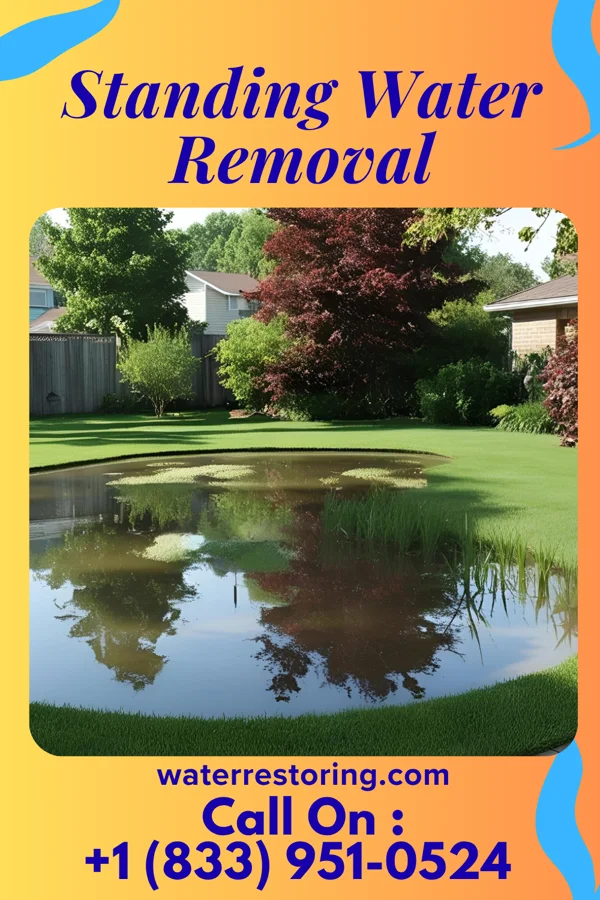
Why Chattanooga Valley Standing Water Demands Fast Removal
Most water damage emergencies in Chattanooga Valley start with In Chattanooga Valley, Georgia, heavy rainfall and flash flooding are common due to the area's mountainous terrain and proximity to the Appalachian Mountains, leading to sudden water accumulation in low-lying areas. Additionally, nearby streams and rivers can overflow during storm events, causing rapid water intrusion into homes and businesses.. A close second is Broken water lines from aging infrastructure and leaking roofs are also prevalent in Chattanooga Valley. These issues often go unnoticed until significant damage has occurred, especially in rural areas where maintenance is less frequent.. From the second water touches the property, every minute changes what gets saved and what gets ripped out.
Chattanooga Valley experiences a humid subtropical climate with frequent thunderstorms and heavy downpours, increasing the risk of water damage. The region's elevation and surrounding mountains can also contribute to sudden weather changes, making water damage a year-round concern.
Most standing water removal calls in Chattanooga Valley come from In Chattanooga Valley, Georgia, heavy rainfall and flash flooding are common due to the area's mountainous terrain and proximity to the Appalachian Mountains, leading to sudden water accumulation in low-lying areas. Additionally, nearby streams and rivers can overflow during storm events, causing rapid water intrusion into homes and businesses.. Running a close second is Broken water lines from aging infrastructure and leaking roofs are also prevalent in Chattanooga Valley. These issues often go unnoticed until significant damage has occurred, especially in rural areas where maintenance is less frequent.. Local mold risk: Mold growth can develop quickly in Chattanooga Valley due to high humidity and frequent moisture exposure, especially in older homes with poor ventilation. Prompt action is critical to prevent long-term structural and health issues.